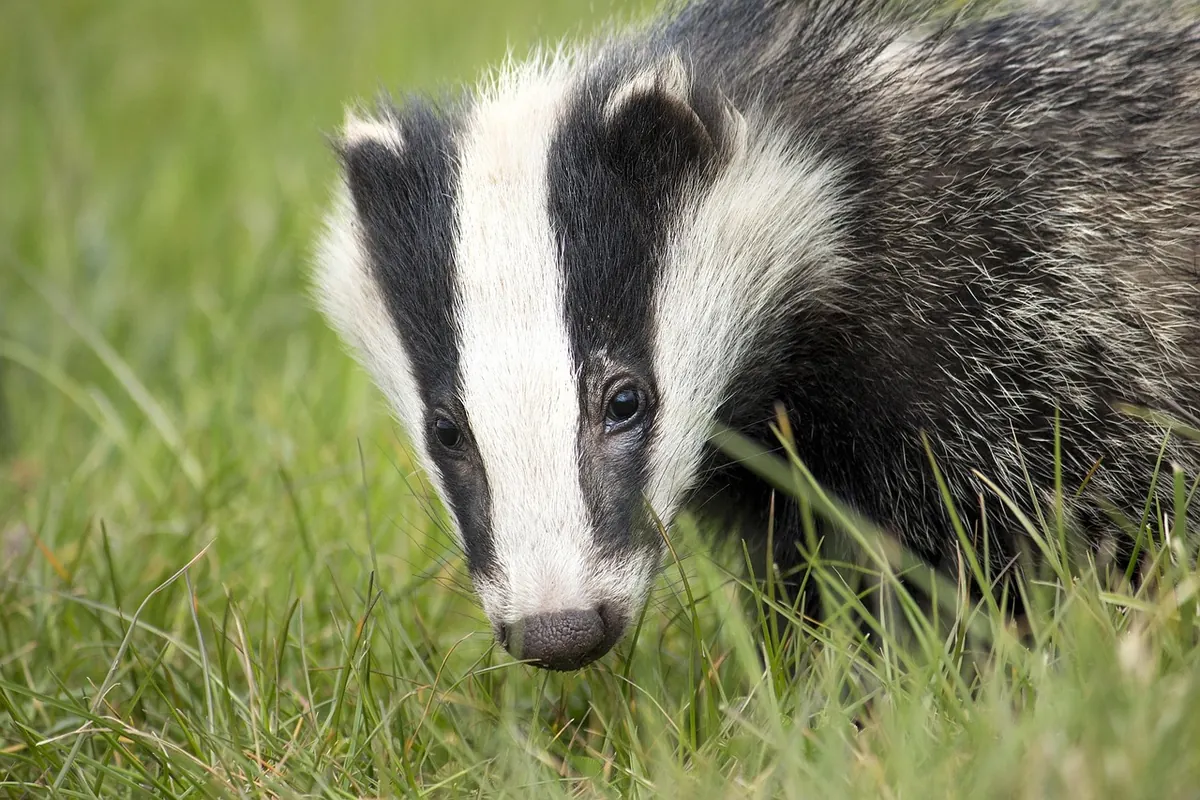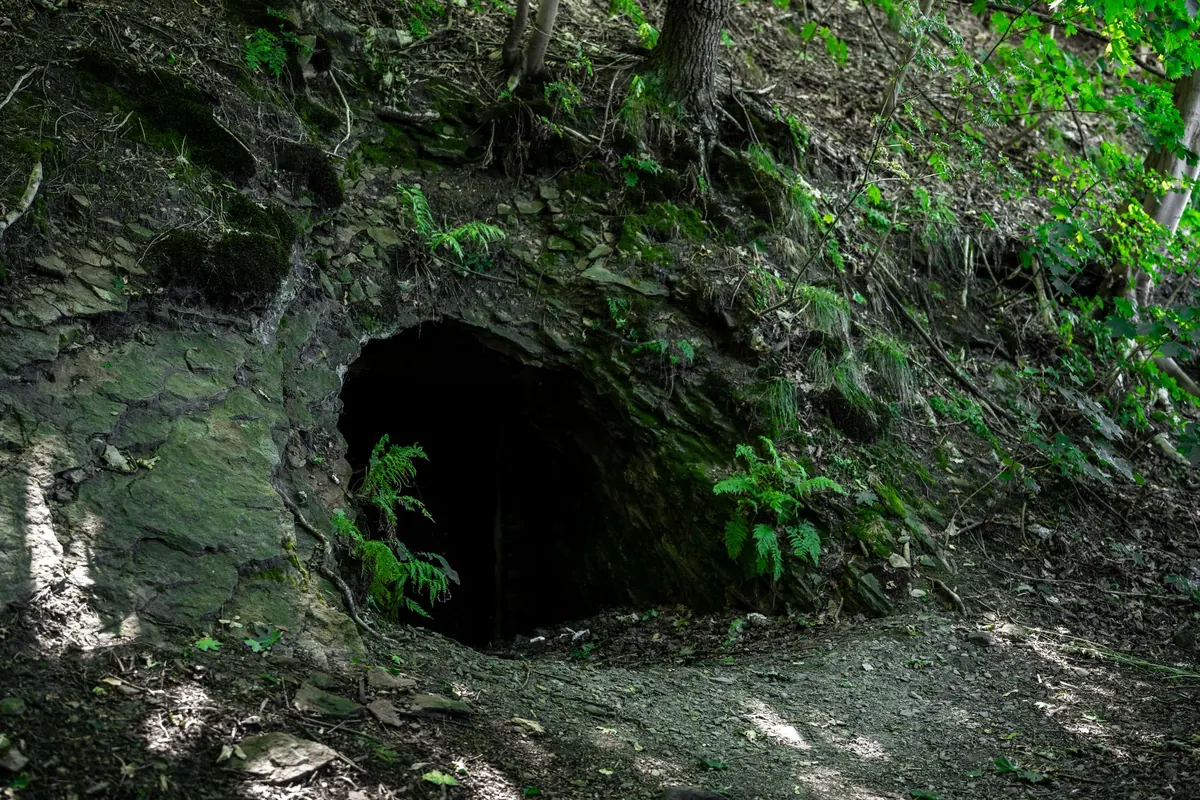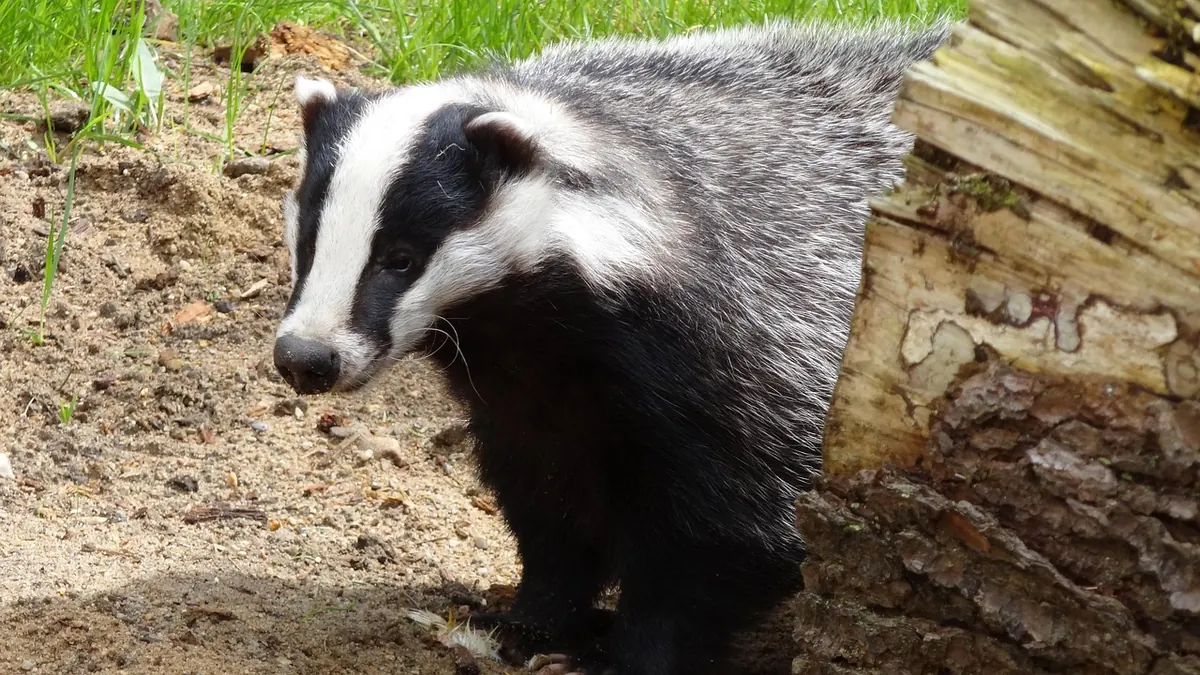
A spring evening at a sett has its own rhythm. The wood is still light when you arrive, the blackbirds are still singing, and then — somewhere around the point where the light starts draining out of the sky — a striped face appears at the mouth of a tunnel and checks the world before committing to it. Spring is generous to watchers: hungry badgers, cubs taking their first look above ground, and a dusk that arrives late enough to make the whole outing civilised.
It is also the season when a careless watcher does the most damage. Here is what to take, what to wear, and what to leave at home.
Why spring evenings reward patience
Badgers come out of winter lean and keen to feed. Cubs, born underground in late winter, start appearing at tunnel mouths from roughly late March onwards, at first peering out, then tumbling about the spoil heap under the eye of an adult. Adults often emerge earlier in spring than they do in high summer, sometimes well before full darkness, because there is so much feeding to catch up on.
There is a trade-off. Early spring vegetation is thin, so cover is poor and badgers are warier than they will be in June, when nettles and cow parsley stand waist-high. You may need to sit further back in April than you would in July. What you gain is an easier walk in, a longer window of usable light, and the chance of watching cubs at their most playful. Take a warm layer: the temperature can drop sharply in the hour after sunset, and while the badgers are dressed for it, you are not.
Arrive early and choose your ground
Get to the sett forty-five to sixty minutes before sunset. Settling in takes longer than people expect — finding a spot, getting comfortable, muffling the thermos — and you want all of that finished before the first badger sniffs the air.
Wind direction matters more than anything else you will do. Badgers see poorly but smell and hear superbly. Approach with the wind on your face, so your scent is carried away from the sett rather than over it. If the wind shifts, shift with it.
Positioning rules worth keeping
- Sit twenty to thirty metres back from the nearest active entrance. Farther if the sett is newly watched.
- Never sit between a badger and its sett, and never directly on a worn path or spoil heap.
- Choose a backdrop — a tree trunk, a hedge — so your outline is broken up.
- Look for latrine pits and well-trodden runs; they tell you where the animals will pass without you needing to move.
Then sit still. This is the part people find hardest. Once badgers are out, avoid shifting position, and keep the phone in your pocket with the screen off. If you must move, do it while an animal has its head down and is busy digging.
Light: red, low and brief
A dim red beam alarms badgers far less than a white one, which is why red filters are standard kit for anyone watching nocturnal mammals. That does not make light neutral. Badgers are adapted for near-darkness and are quick to notice changes in brightness and any movement of a beam across the ground.
Use the lowest setting your torch has, keep the beam pointed low and ahead of you, and sweep it slowly rather than snapping it from place to place. Never hold it on an animal's face, and never settle a beam on one badger for a minute at a time — think of it as a glance, not a spotlight. A red head torch is fine for the walk in and out, but cover it while you are sitting.
Two things to avoid outright: camera flash, which will empty a sett in seconds, and an uncovered phone screen, which is a small white light in a dark wood and just as disruptive as a torch.
Clothing, scent and noise
Dull colours — greens, browns, greys, dark navy — blend into a hedge at dusk. White trainers and anything fluorescent do the opposite. Just as important is what your clothing sounds like: stiff waterproofs and crisp shells rustle with every breath. Wear them by all means, but put them on before you walk in rather than fidgeting into them at the sett, and choose a soft bag rather than a crinkling carrier.
Badgers live by scent, so leave the strong stuff at home: perfume, aftershave, scented deodorant, heavily perfumed washing powder and strong insect repellent all announce you from a distance. Footwear should be soft-soled, and layers should be generous — a hat and thin gloves save an evening.
Check yourself for ticks afterwards, particularly if you have been sitting in long grass, and remove any attached tick carefully with fine tweezers or a tick tool. If you later develop a rash or flu-like symptoms, speak to a GP.
The kit that earns its place
- A torch with a red filter and spare batteries
- A small foam sit mat or folded camping mat
- Thermos, water, and something to eat that does not come in rustling wrappers
- Warm layers, hat, gloves, waterproof trousers
- Binoculars — useful for the last of the light, less so once it is properly dark
- Midge head net from late spring onwards
- Notebook and pencil for recording times and behaviour
- Something to carry your litter home in
What to avoid, and why it matters
Most disturbance at setts is well meant. It still costs the animals. A badger pushed back underground may abandon a cub or move a whole group to a new sett, and repeated nights of pressure can shift a clan out of an area altogether.
- Dogs. Even a quiet one leaves scent and may bolt for a sett entrance.
- Groups. Two or three people is plenty. A party of eight is a party.
- Baiting. Putting out peanuts or kitchen scraps habituates badgers, draws them towards roads and gardens, attracts rats, and changes natural behaviour.
- Call playback. Recorded badger sounds are a disturbance tool, not a viewing aid.
- Approaching cubs. A cub alone above ground is usually not abandoned. Watch from your seat and keep your distance.
- Touching the sett. No digging, no blocking entrances, no standing on spoil heaps, no trampling the vegetation around active tunnels.
- Night after night at the same spot. Rotate your visits, and give a sett a clear week or two between sessions.
In the UK, badgers and their setts are protected. It is an offence to intentionally or recklessly damage or destroy a sett, obstruct access to it, or disturb a badger in its sett. Quiet watching from a distance is not the same thing, but if you are unsure where the line sits for your site, ask your local badger group or the relevant wildlife authority and follow their current guidance.
Before you leave the house
Sixty seconds of checking will save your evening. Wind direction confirmed. Red filter fitted and tested. Layers on, waterproofs on, phone silenced and screen dimmed. Sit mat and thermos packed, nothing rustling in the bag. Route in planned so you are not crashing through undergrowth at dusk. And a clear intention: sit back, keep the light low, and let the badgers decide how close the evening gets.
Then go home before midnight, leave nothing behind but footprints, and write down what you saw while it is fresh. The best spring evenings are the ones the badgers never knew about.
Photo: Beeki / Pixabay