You are walking a footpath you know well when something looks wrong. The sett you have watched for years has fresh soil heaped outside it, two entrances are blocked, and there are spade marks in the clay that no rabbit made. Or it is worse: a badger dragging an injured leg, a wire noose at a tunnel mouth, dog tracks beside a parked van.
Most people freeze, or do something well-meant that spoils the evidence. What you do in the next hour matters. Here is how to stay safe, record what you have found, leave the scene intact and get it in front of people who can act.
What counts as badger persecution
Badgers and their setts are protected by law across the UK under the Protection of Badgers Act 1992, with separate legislation in Northern Ireland. Killing, injuring or taking a badger, cruelly ill-treating one, digging for a badger and interfering with a sett are all offences. Badger baiting — putting dogs to a badger, often after blocking the escape routes — is illegal throughout the UK.
Signs worth recording include:
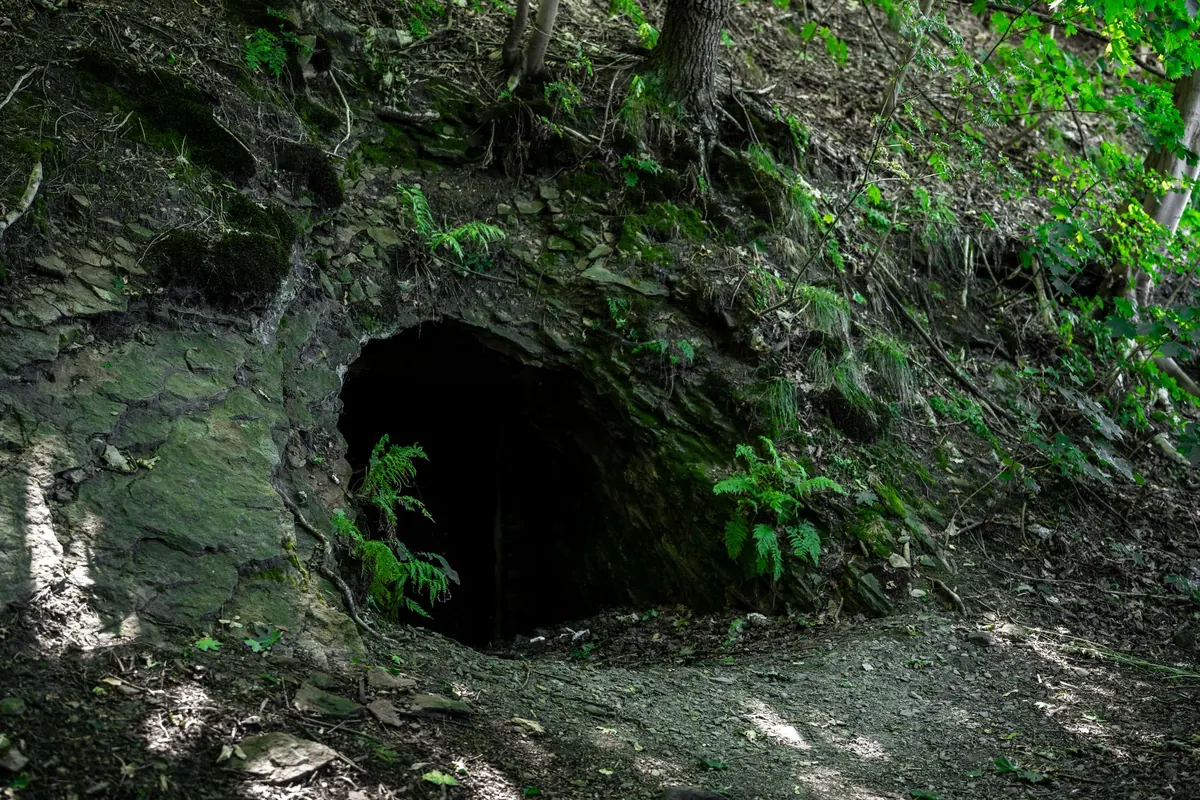
- Fresh digging at sett entrances, with turf cut and laid to one side
- Tunnels opened up or enlarged well beyond badger size
- Entrances blocked with soil, stones, pipes or fencing
- Snares, traps or bait such as meat, eggs or dog biscuits left near a sett
- Spades, lamps, nets or terrier boxes hidden nearby
- Vehicles parked close to a known sett at dusk or in the early morning
Not every disturbed hole is a crime. Badgers and foxes dig constantly, and wet ground collapses. What marks out persecution is the combination: freshly cut turf, human footprints, tools, and activity at hours when no lawful work would be happening.
Put your own safety first
The people involved do not want to be watched, and some of them are violent. Nothing you record is worth a confrontation. Keep to public rights of way, do not walk into a field to get a better look, and do not approach, challenge or follow anyone. Do not film faces at close range; a wide shot from a distance is safer and often more useful. If dogs are loose or a vehicle moves towards you, leave. Call 999 if you feel threatened.
Recording evidence that can be used
Photographs and video
Start wide, then work in. Take a shot that shows the sett in its surroundings — a gate, a tree line, a track — so the place can be recognised later, then move closer for detail. Include something for scale, such as a boot, but never place it so that it hides anything. Keep the original files: do not crop, filter or delete, even the shots you think failed. If you return the next day, photograph the same entrances again so the change is visible.
Written notes
A notebook is still the most useful kit you have. Note the date, time, weather and exact location with a grid reference or a what3words address, then what you actually saw and heard. Record descriptions, not conclusions: "two men, one carrying a spade and a lamp" rather than "baiters". Note any vehicle only if you can see it safely from where you are. Write it up the same day while it is fresh, and sign and date your notes.
Preserve the scene
Once you have photographed what is there, leave it exactly as it is. Do not lift a snare, fill in a hole, tidy a spoil heap or move a dead badger. A trap is evidence, and a carcass may be needed for a post-mortem. Walk a wide route around the area so footprints and tyre tracks are not trampled, and keep other people and dogs away.
Do not post the location on social media or in a public group. A well-meaning post can tell offenders exactly where to return, and it can draw a crowd to a site already under pressure. If a badger is alive but injured, call the police or an animal welfare charity such as the RSPCA in England and Wales or the SSPCA in Scotland rather than handling it yourself.
Reporting it to the authorities
The police lead on wildlife crime in the UK. Call 999 if a crime is happening now, if someone is in danger or if an animal needs urgent help. Otherwise use 101 or your force's online reporting form, and ask for the wildlife crime officer or rural crime team. Always ask for a crime or incident reference number, and write it down.
Be ready to give the date, time and duration of what you saw; the exact location; what you observed in plain language; whether the activity is ongoing or historic; and whether you are willing to make a statement.
It is worth using other routes alongside the police. The Badger Trust and your local badger group know the local picture and can advise on who to contact. Crimestoppers (0800 555 111) takes anonymous reports. Natural England, Natural Resources Wales and NatureScot handle licensing and sett-related matters in their nations, and different arrangements apply in Northern Ireland. If you are unsure who to ring, start with 101.
After you have reported it
Expect a wait. Wildlife crime competes with everything else a stretched force deals with, and one blocked sett may not look urgent on paper. What changes that is a record. If you visit again and find fresh damage, report it as a new incident, quote your earlier reference and keep your own log of dates and details.
If you hear nothing, follow up politely after a fortnight. If the response is poor, escalate to the force's wildlife crime lead or to your Police and Crime Commissioner's office. You may be asked to give a witness statement or attend court; the officer will explain what that involves.
This is general guidance, not legal advice. If you need to know how the law applies to your own situation, speak to a solicitor or ask the relevant authority.
A five-minute checklist
- Stay back and stay safe. Do not approach anyone.
- Call 999 if a crime is in progress or an animal needs urgent help.
- Photograph wide, then close, from a distance. Originals only.
- Note the time, place, weather and what you actually saw.
- Leave setts, traps and carcasses untouched.
- Report on 101 and keep the reference number.
- Tell the Badger Trust, a local badger group or Crimestoppers as well.
- Keep everything, and follow up if nothing happens.
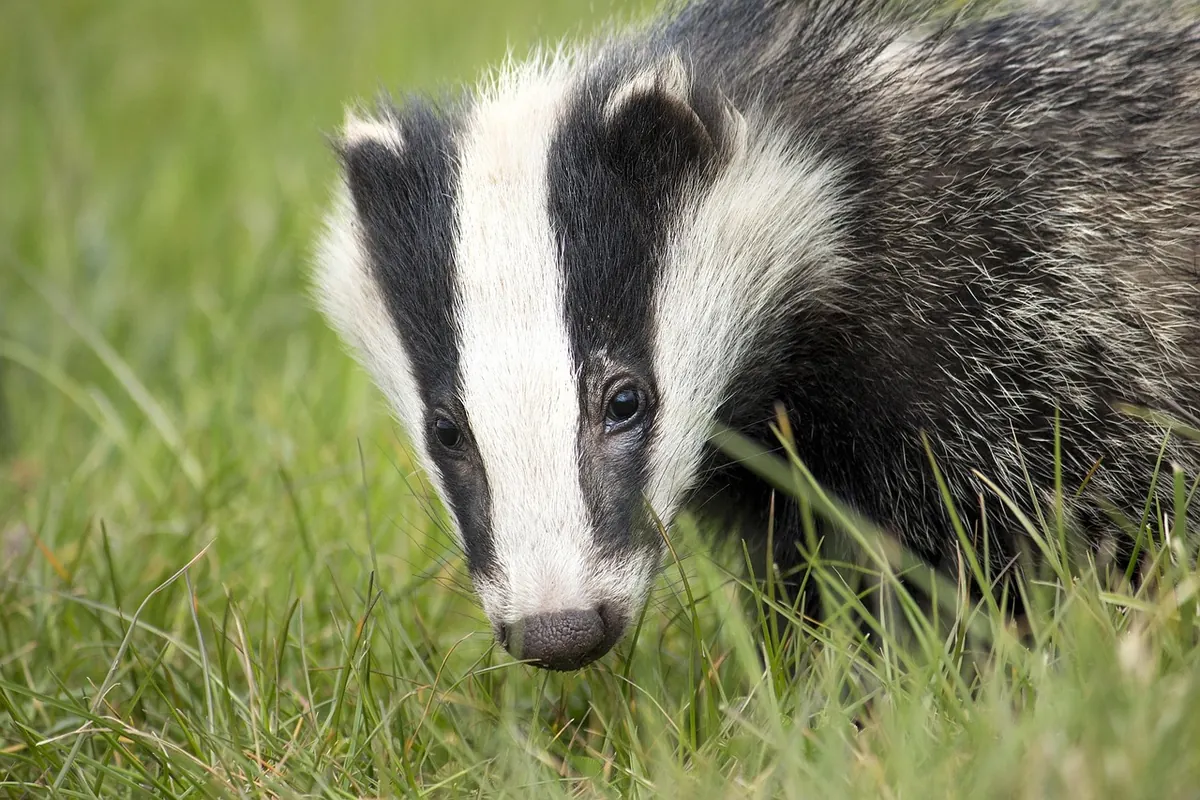
The badgers at your local sett cannot report what happened to them. A calm, careful record from one person on a footpath is often the start of a case — and the reason the next attempt gets interrupted.
Photo: andyballard / Pixabay