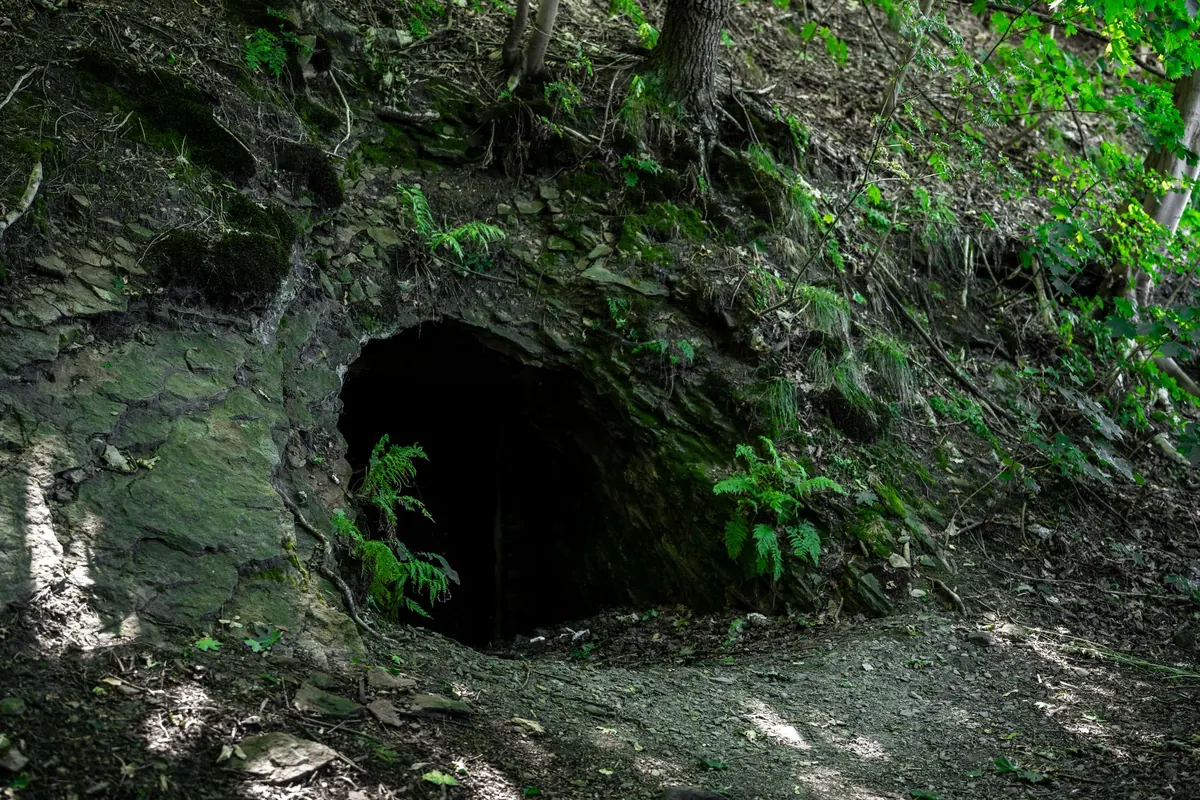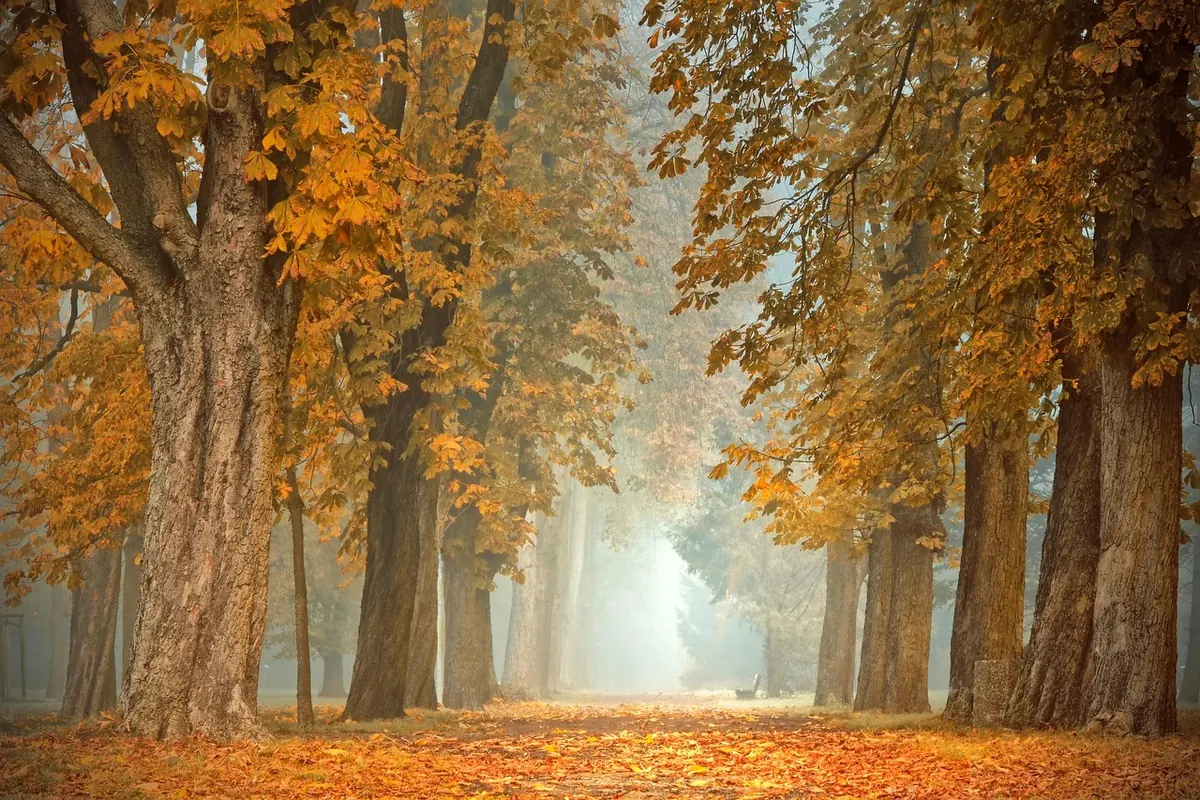
By the time the first gales strip the beeches, badgers have winter on their minds. Autumn is the busiest season at any sett: the soil is soft, worms are close to the surface after rain, and every badger in the clan has the same two jobs — eat as much as possible and make sure the sleeping quarters are dry. It is also the best time of year to read the ground around a sett, because the evidence stays fresh for days rather than hours.
What changes for a clan in autumn
Badgers do not hibernate, but they do go quiet. In mild, damp spells they will be out for most of the night; in frost and driving rain they may not appear at all for several days, living off the fat laid down in October and November. That makes autumn feeding intense. A badger that goes into a hard winter thin has a poor chance of coming through it in good condition, and sows in particular need reserves.
Spring-born cubs are close to full size by now. Some will stay within the clan's territory; others drift away to find space of their own, which is one reason you may notice unfamiliar comings and goings at a sett you know well.
Foraging: worms first, everything else second
Earthworms are the staple. On warm, wet nights after a day of rain, badgers work pasture, lawns and verges methodically, moving slowly with their noses down. Watch for clusters of small conical holes — snuffle holes — each a few centimetres deep, where a worm has been lifted out of the turf. They often sit in a rough line, showing the animal's route.
Autumn adds fruit and nuts to the menu. Windfall apples under an old orchard, blackberries, sloes, acorns, beech mast and hazelnuts all get eaten, and maize stubble at field edges is a favourite. Gardeners notice the damage now: rolled-back turf, scattered plant pots, toppled bird feeders. If peanuts keep disappearing overnight, a badger is a likelier culprit than most people assume.
Bedding collection: the giveaway trail
The clearest autumn sign at any sett is bedding. Badgers gather dry, springy material — grass, bracken, dead leaves, straw, hay, occasionally shredded plastic or carrier bags — and carry it into the tunnels to line the nest chamber. The technique is distinctive: the animal bundles the material under its chin and shuffles backwards, so the vegetation is dragged rather than pushed.
Look for flattened, slightly bruised trails running through long grass towards an entrance. Material often snags on brambles and fence wire along the way. Just inside the mouth of a well-used hole you may see a pale mass of dried grass. A sett with fresh bedding at three or four entrances is settling in for the winter.
Reading a bedding run
- Follow the trail back to its source — a hay bale, a mown verge, a stand of bracken.
- Check for hairs caught on thorns or wire mesh along the route.
- Compare freshness: new bedding is pale and dry, older material is dull, muddy and flattened.
- Note which entrances are lined. That tells you which chambers the clan is using.
Sett maintenance before the cold
Autumn is digging season. Tunnels get repaired, entrances cleared, chambers enlarged, and new holes sometimes appear overnight. Fresh spoil is the easiest thing to date: it is dark, damp and crumbly, while old heaps are grey-green with algae and colonised by weeds. If a heap has no plant growth on it at all, it is probably recent.
Latrines are another reliable sign. These shallow pits, dug near the edge of the clan's range, are used repeatedly. The dung is dark and often full of seeds and insect remains, and the ground around them becomes bare and compacted.
Signs to look for around the sett
- Footprints — broad pads with five toes and visible claw marks, often in soft mud at the lip of a hole.
- Well-worn paths — smooth, low runs through grass linking the sett to feeding areas.
- Scratch marks — on tree trunks, fence posts and stones used for scent marking.
- Hair — coarse, grey-white and black, snagged on barbed wire or bramble.
- Snuffle holes — small excavations in turf, especially after rain.
- Scent and sound — a musky smell at entrances, and the low chuckling contact calls of the clan.
Watching well, and staying within the law
Arrive before dusk, sit still and keep downwind. A red filter on a torch is far less disturbing than white light, and ten to twenty metres from the nearest entrance is close enough for a good view. Never stand in front of a hole, never block a path, and resist the urge to leave food out — it changes behaviour and draws badgers towards roads and gardens.
Badgers and their setts are protected in the UK, and interfering with a sett without a licence can be a criminal offence. If you find signs of digging, baiting or blocked entrances, report it to the police wildlife crime officer or your local wildlife trust rather than investigating yourself. For anything to do with the law, or with an injured animal, take advice from those organisations or an experienced wildlife rehabilitator.
An autumn check-list
Next time you pass a sett, run through this in five minutes:
- Is there fresh bedding at any entrance?
- Are the spoil heaps dark and damp, or weathered and green?
- Any new holes since your last visit?
- Latrines in use, with fresh dung?
- Snuffle holes in nearby turf, or rolled-back lawn?
- Footprints in the mud at a hole mouth?
Note down what you see and the date, then return after the next wet night. Autumn is short and the picture changes quickly once the frosts arrive — but the evidence left in that window tells you a great deal about how the clan is preparing for the months ahead.
Photo: Peggychoucair / Pixabay