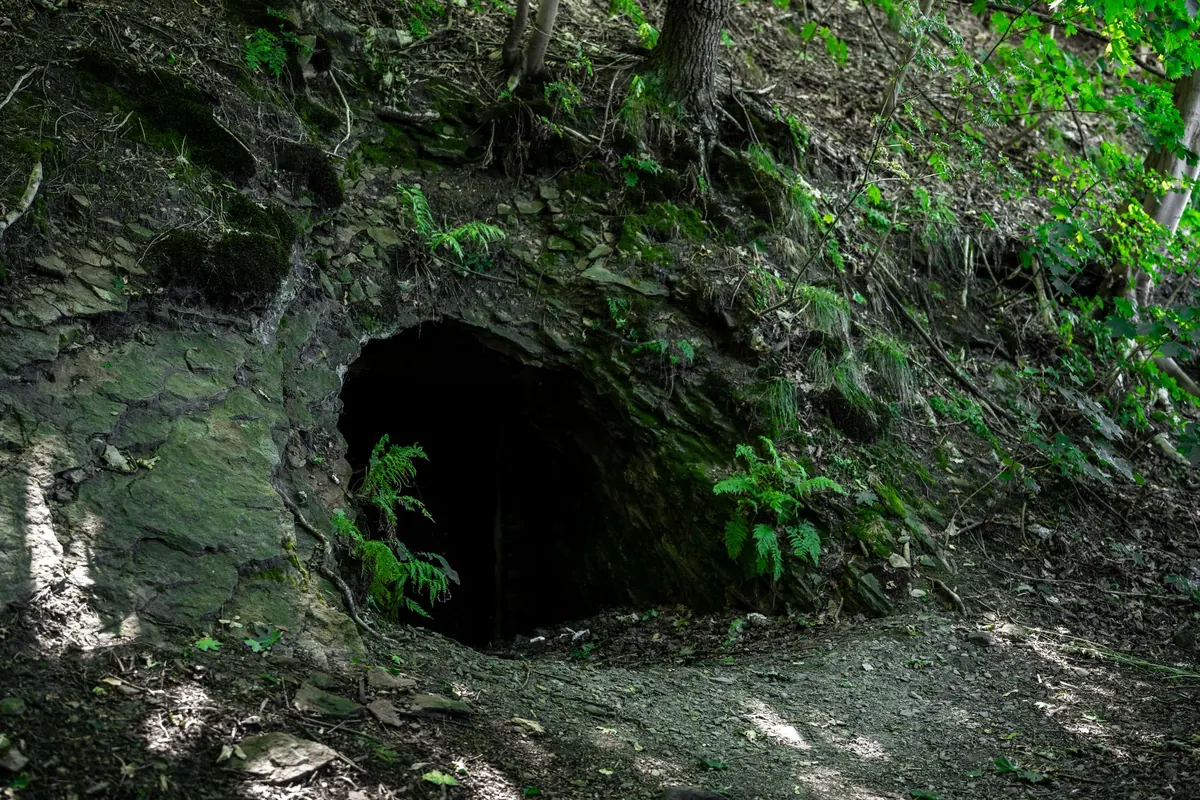
A badger sett is one of the quietest things in the British countryside. A few mounds of spoil, a worn path or two through the grass, a scatter of bedding dragged in overnight, and then nothing for hours. It can sit at the bottom of a garden, in the hedge bank beside a footpath, or under the corner of a field you were thinking of selling, and go unnoticed for years.
That matters, because setts are protected by law. Not just the badgers inside them. If you own land and you are planning work, there is a good chance you have more legal obligations than you realise, and the penalties for getting it wrong can land on whoever ordered the work as much as on whoever carried it out.
Here is what homeowners, smallholders and anyone with a building project should know.
What actually counts as a sett
Under the Protection of Badgers Act 1992, a sett is any structure or place that shows signs of current use by a badger. That is a deliberately broad definition. It does not require you to have seen a badger, and it does not require anyone to have proved how many badgers live there.
Badgers use more than one kind of hole, and ecologists generally split them into four groups:
- Main setts — the big, long-established homes, often with many entrances, large spoil heaps and well-worn paths between them.
- Annexe setts — smaller clusters of entrances close to a main sett, used intermittently.
- Subsidiary setts — a few entrances within a territory, used regularly but not as the main home.
- Outlier setts — one or two holes, sometimes a single entrance, used occasionally or on the way through.
Outliers catch people out. A lone hole in a bank looks like nothing much. If it shows current use — fresh spoil, footprints in the loose earth, hairs snagged on wire, latrines nearby, bedding — it is a sett for the purposes of the Act, and the same offences apply as for a sprawling main sett with twenty entrances.
The offences that apply to setts
It is an offence to interfere with a sett, and that phrase covers more ground than most people expect:
- damaging or destroying a sett, or any part of it;
- obstructing access to a sett entrance;
- disturbing a badger while it is occupying a sett;
- killing, injuring or taking a badger, or treating one cruelly;
- possessing, selling or controlling a live or dead badger, or any part of one.
Note the word "wilfully". It does not mean you had to intend harm to a badger; it means the act was deliberate. Filling in a hole you knew about, or running a digger across a sett because nobody checked, is a difficult position to explain afterwards. Penalties under the Act can include substantial fines and, in serious cases, a prison sentence. Where a sett also holds bats, or where other protected species are affected, separate offences under the Wildlife and Countryside Act 1981 can come into play, with their own penalties.
Planning applications: when a sett becomes a planning matter
Badgers are not treated in planning law quite like great crested newts, but they are a material consideration. Local planning authorities routinely ask for ecological information with applications, and national planning policy expects decisions to protect and enhance biodiversity. If a sett sits on or near a site, that normally means a badger survey, and the survey needs to be done before you submit rather than after a query lands on your desk.
Survey timing and the buffer question
Badger surveys are usually most productive in late winter and spring, and again in autumn, when vegetation is low and field signs are easier to pick out. Surveys done in the wrong season can be close to useless, and can cost you months in delays while you wait for the right window.
Many ecologists and licensing bodies work to a buffer around setts when planning construction, often somewhere in the region of 30 metres for a main sett and sometimes more for noisy or heavy works. Treat that as professional guidance rather than a magic legal line. The real question is whether the works would disturb badgers occupying a sett, and distance is only one part of the answer. Vibration, lighting, night working and how long the disturbance lasts all matter.
Licences
If proposed works would interfere with a sett, you will generally need a licence from the relevant statutory body: Natural England, Natural Resources Wales, NatureScot, or DAERA in Northern Ireland. In practice a licensed ecological consultant applies on your behalf. Licences are not handed out on request. The applicant usually has to show that there is no satisfactory alternative, and that the works will not harm the favourable conservation status of badgers in the area. That takes time, so build it into your programme rather than discovering it the week the groundwork is due to start.
One thing worth clearing up: government-licensed badger control operations are carried out by trained personnel under strict conditions. They give a landowner no general permission whatsoever to disturb a sett.
If you suspect a sett is being disturbed
Disturbance is often deliberate — digging, blocking, terrier work — but it can also be careless: a contractor clearing a ditch, a felled tree dropped across entrances, or a fence line put straight through a sett. If something looks wrong, keep a cool head and follow these steps:
- Do not approach or confront anyone. Your safety comes first, and evidence matters more than a row.
- Write down what you saw: date, time, location, descriptions, vehicle registrations, anything distinctive.
- Photograph from a distance if it is safe and you are on public ground. Do not enter private land to get a better shot.
- Report it to the police. Call 999 if a crime is in progress, otherwise 101, and ask for the wildlife crime officer. Note the crime reference.
- Tell your local badger group and the relevant statutory nature conservation body. They can advise on what to do next and may know the history of the sett.
- Do not tidy up, backfill or "repair" the sett yourself. You could commit an offence and destroy evidence at the same time.
Practical steps for anyone with land
Most problems are avoided by knowing what is on your land before anyone lifts a spade. A short walk with a torch at dusk, or a look for tracks after rain, will tell you more than any amount of guessing.
- Walk your boundaries each year and mark any setts on a plan, with photographs and dates.
- Brief contractors in writing before work starts. Name the setts, show them on a map, and say that entrances must not be blocked, driven over or filled.
- Be careful with brash, spoil, fencing materials and log stacks. A pile tipped over an entrance is an offence, however temporary you intended it to be.
- Think before you cut hedges, fell trees, install a driveway, lay drainage, put in a pond or fit a ground-source heat pump. All of these can affect a sett.
- Keep dogs under control near setts and avoid repeated disturbance from lighting or machinery at night.
- Keep a written record of everything: surveys, advice received, dates of works. If a complaint is ever made, a clear paper trail is your best defence.
Getting it right, early
The cheapest and least stressful route is almost always to establish what is there before you commit to a design. If a sett is present and works are likely to affect it, bring in a licensed ecological consultant early and plan around the badgers rather than trying to retrofit a solution later. Where a dispute arises, or where you receive a visit from a wildlife crime officer, take proper legal advice rather than relying on forum posts or well-meaning neighbours.
The rules exist because setts are fragile places, and because a badger has nowhere else to go if its home is dug out or sealed up. For most homeowners the answer is straightforward: look first, ask before you dig, and leave the entrance alone.
This is general guidance for readers in the UK and not a substitute for legal or professional ecological advice on a specific site.
Photo: Michał Robak / Pexels