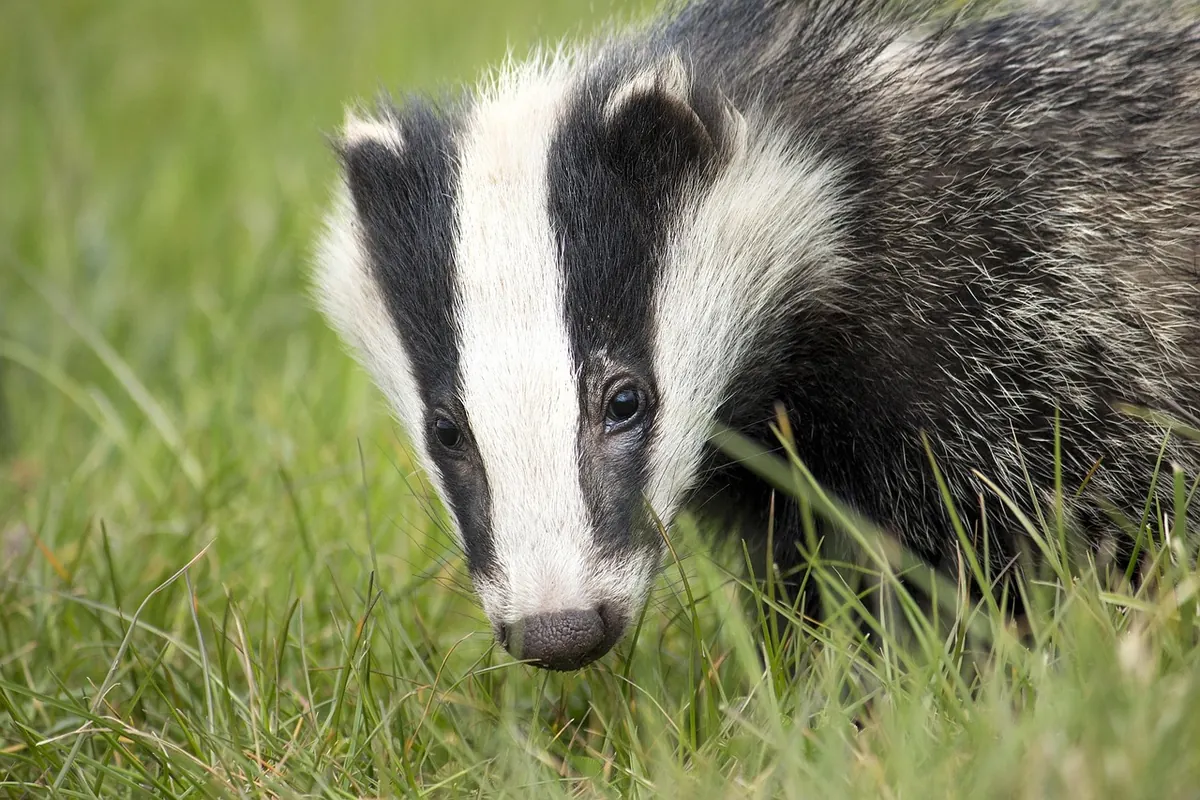
Badgers are one of the great rewards of a British dusk. A sett that has been quiet all day can come alive in ten minutes flat: a striped face appears at an entrance, sniffs, then another, and suddenly there are cubs tumbling over each other in the leaf litter. It is genuinely thrilling. It is also easy to ruin, and most people ruin it without realising they have done anything wrong.
The mistakes below are the ones that come up again and again, usually from people who care about wildlife and simply have not been shown a better way. None of them require expensive kit or special permits to fix. Most come down to light, distance, noise and patience.
Mistake 1: Using a white torch
A bright white beam swung across a sett entrance is the single most common reason a badger night ends early. Badgers rely far more on scent and hearing than on sight, but a sudden flood of light at close range reads as danger, and the animal will simply reverse back down the tunnel. You may wait an hour for it to reappear.
What you want is enough light to see by without announcing yourself. That means a red filter, a low output setting, and a beam pointed at the ground a few metres ahead rather than at the sett. Let your eyes adapt for fifteen minutes before you switch anything on at all. On a clear night with a decent moon, you can often watch without any torch once you are settled.
Torch habits worth building
- Fit a red filter and use the lowest setting that still works.
- Keep the beam down and to the side, never sweeping it across entrances.
- Turn the torch off completely when an animal is above ground.
- Screen brightness on phones is worse than a torch — set it to minimum or leave it in a pocket.
Mistake 2: Sitting too close to the sett
It is tempting to get as near as possible to an entrance. Resist it. At three or four metres your outline, your scent and the small sounds you make are all obvious to an animal whose survival depends on noticing exactly that sort of thing. Ten to fifteen metres is a sensible working distance, with something between you and the sett — a hedge, a fallen branch, a bank — and the wind coming from the sett towards you, never the other way round.
Watch the badgers for feedback. If one stops, lifts its nose and stares in your direction, you are too close or badly placed. Slip further back, slowly, without standing up. They usually settle within a minute or two.
Mistake 3: Heading straight for an active main sett
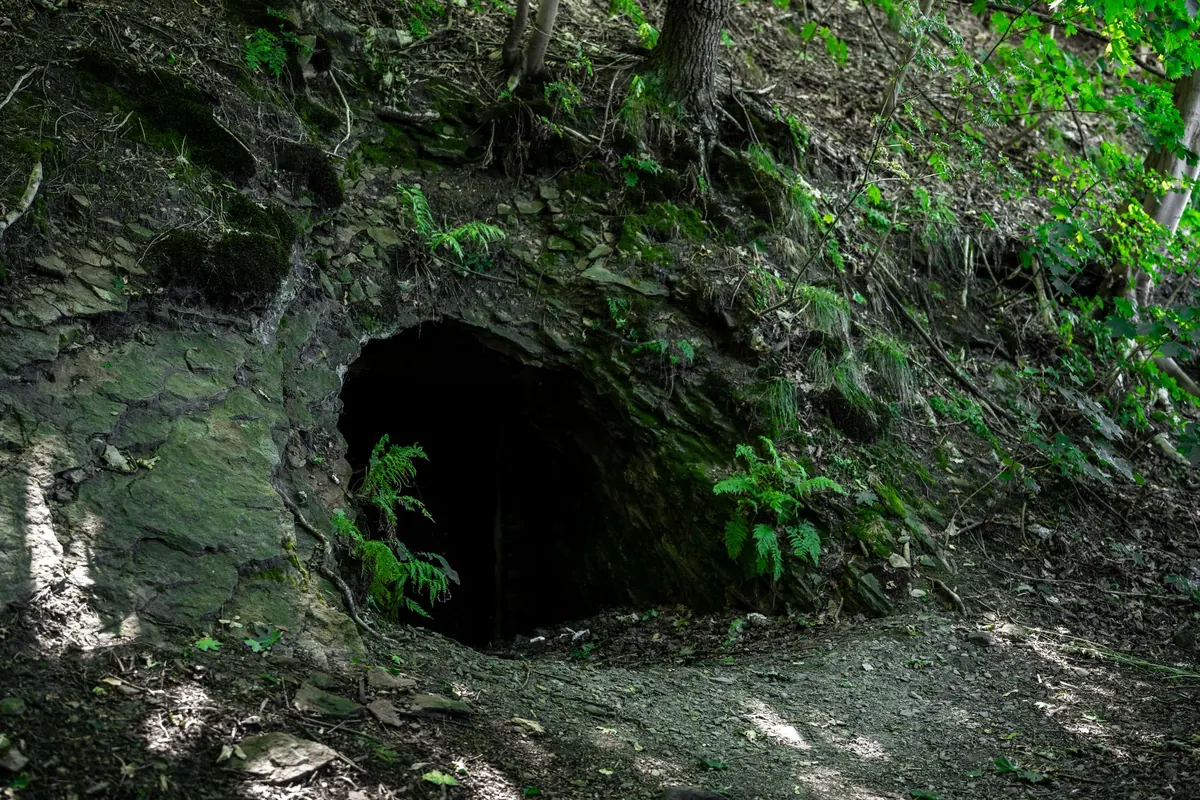
Not all setts matter equally. Main setts are the long-established, many-entranced homes used for breeding; smaller outlier setts may be used only occasionally. Crowding a main sett in late winter and spring, when cubs are below ground and the adults are working hard, is the least helpful thing a watcher can do.
Better options exist. Watch a satellite sett, or pick a point along a well-worn path away from any entrance where badgers pass on their way out to feed. In the breeding season, stay well back and keep visits short. In the UK, badgers and their setts are legally protected, and interfering with a sett — digging, blocking entrances, disturbing the structure — is an offence. If you are unsure what you are looking at, ask your local badger group before you visit.
Mistake 4: Announcing your arrival
Badgers have an excellent sense of smell, and a jacket carrying last night's curry or a fresh application of insect repellent will travel further than you think. The same goes for noise. Car doors slammed in a lay-by, zips, rustling waterproofs, plastic bags, a bag of crisps opened at the wrong moment.
Do the noisy part early and far away. Park considerately, close doors gently, put your waterproof on before you leave the car, and decant snacks into something soft or leave them behind. Walk the last hundred metres slowly and quietly, then settle before dusk rather than arriving in the dark with a torch.
Mistake 5: Turning the vigil into a chat
Whispering carries further than people expect, especially in still air. So does the autofocus beep on a camera, the red assist light, a phone notification and the shutter of a DSLR. If you are with someone, agree to be silent from the moment you sit down.
For photography, switch off beeps and assist lights, use a fast lens rather than flash, and accept that a decent record shot is better than a spooked badger. Flash, in particular, will end the evening for everyone present.
Mistake 6: Giving up after twenty minutes
Badgers keep their own schedule. On a mild, damp, still evening after rain they often emerge in good time; in cold, dry, windy weather they may not appear until well after dark, or may stay in altogether. Twenty minutes proves nothing.
Pick your night properly, arrive early, and commit to at least ninety minutes of sitting still. Two hours is better. The irony is that the more visits you make, the earlier they tend to appear around you, because they become used to a quiet, harmless presence in the same spot. Move that spot every time and you start again from scratch.
Mistake 7: Treating the sett as public information
Posting a precise location online can bring a quiet sett more visitors in a week than it has had in years, and not all of them will be respectful. Share the experience rather than the coordinates. If you see signs of digging, blocked entrances, snares or anything that looks like deliberate interference, report it to the police and to your local badger group rather than trying to deal with it yourself.
A simple pre-dusk routine
- Check the wind and plan an approach that keeps you downwind of the sett.
- Arrive about forty-five minutes before sunset, quietly, with doors closed gently.
- Settle ten to fifteen metres back, behind cover, on something dry and comfortable.
- Set your torch to red and low, silence your phone, and stop talking.
- Sit still for at least ninety minutes, even when nothing is happening.
- Leave the way you came, without sweeping a white beam across the entrances.
Get these habits right and the watching changes completely. The badgers stop treating you as a threat and start going about their evening: scent-marking, grooming, squabbling over a good digging spot, escorting cubs along a path. That is the night you came for, and it costs nothing more than a red filter, a bit of distance and the willingness to sit still in the dark.
Photo: Erik Karits / Pexels