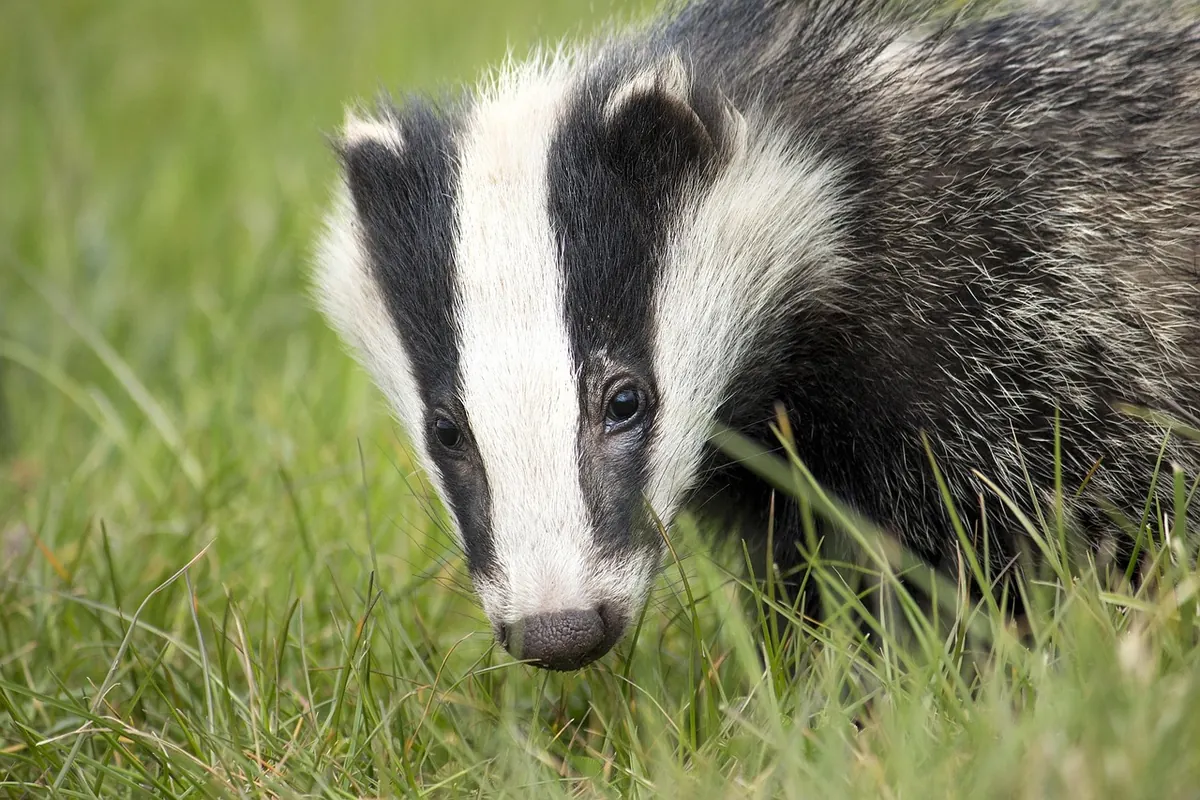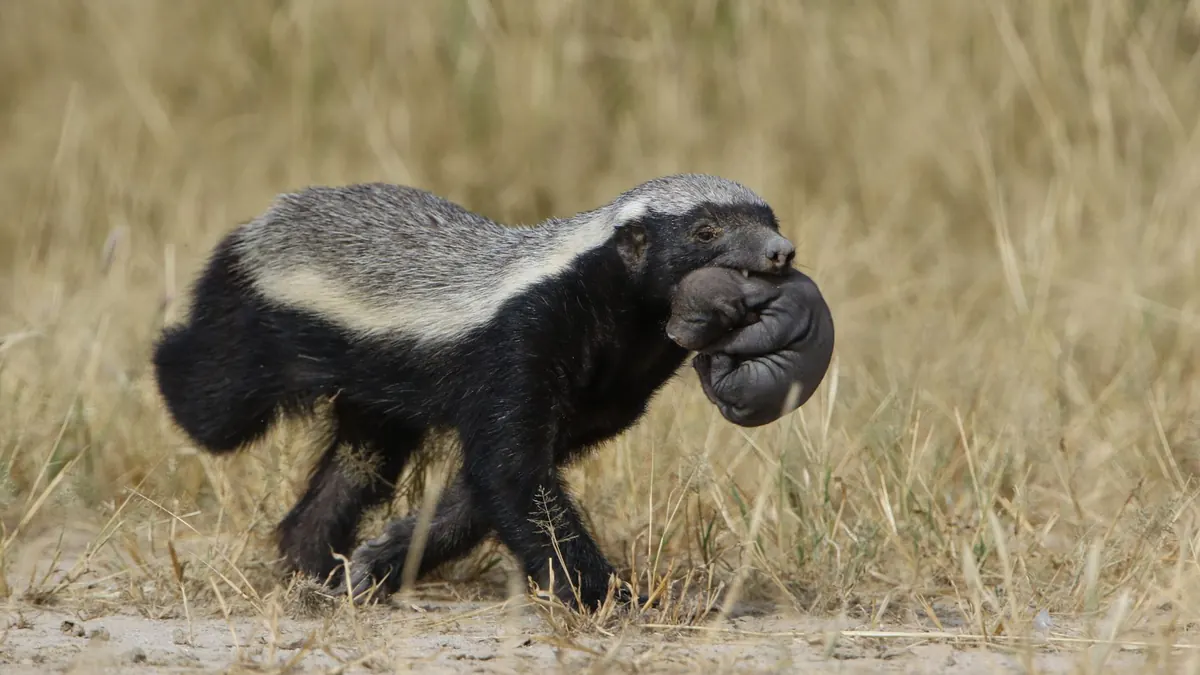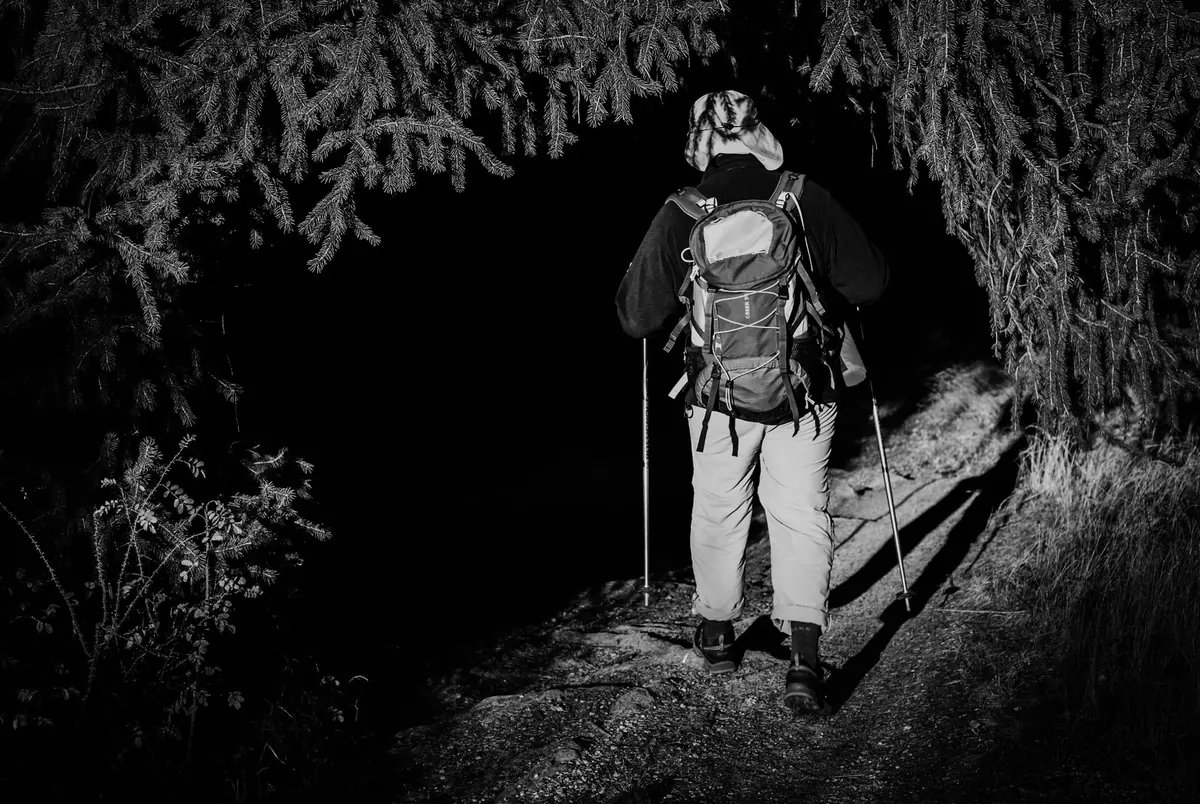
There is a moment, usually twenty minutes or so after sunset, when a grey snout appears at the mouth of a sett and tests the air. Everything you did beforehand decides whether that badger steps out or melts back underground. Watching them well is not difficult, but it is a skill built from small things: the wind, the hour, the way you walk, and how long you are willing to sit still. This guide covers what to sort out before, during and after your first proper evening out.
Learn the sett before you look for badgers
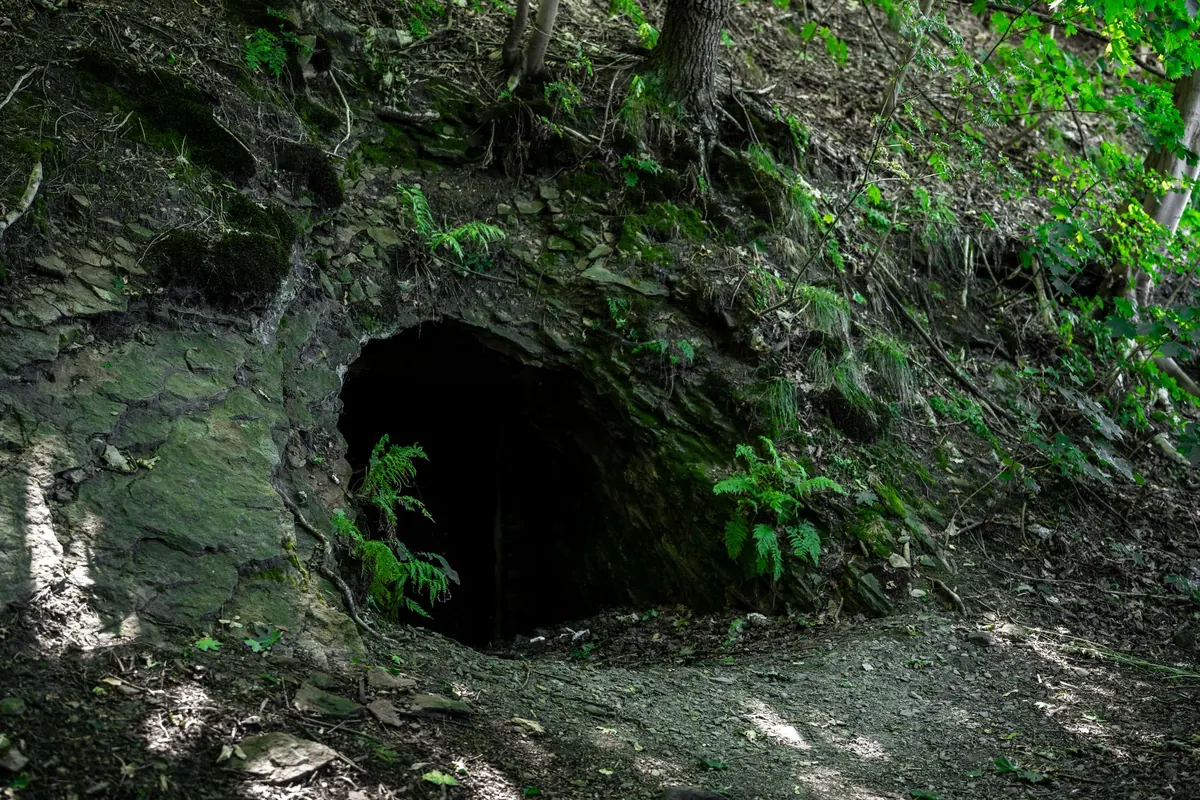
Badgers are creatures of routine. A clan will use the same sett for generations, often with half a dozen entrances or more, linked by paths that have been worn bare over years. Walk past the area in daylight, from a respectful distance, and work out the layout before you commit an evening to it.
Look for a few reliable signs. Fresh spoil heaps of soil outside an entrance mean digging has happened recently. Shallow scrapes and scooped hollows in the ground nearby are often the work of badgers rooting about. Latrines — small pits of droppings, usually along a boundary or path — mark the edges of a territory. In spring you may find trails of dragged bedding: hay, bracken and leaves being carried in for the cubs.
Distinguish between a main sett and an outlier. The main sett is large, deep and busy all year; outliers are smaller, used on and off. The main sett is where you want to be. Note which entrances face which way, and where you could sit without standing on a path or blocking a doorway.
Best seasons and times to watch badgers
Badgers do not hibernate, but they are far less active in hard frost and can stay below ground for days at a time. Light levels drive most of their behaviour, which is why the shoulder seasons are so rewarding.
Spring: March to May
This is the beginner's window. Cubs appear above ground from around April, evenings stretch out, and badgers often emerge while there is still enough light to see properly. The sett is busy with bedding, digging and cubs tumbling about near the entrances. Arrive an hour before sunset and expect to wait.
Summer: June to August
Warm, still evenings in June are excellent and badgers may be out before dark. The trade-offs are short nights, midges, and enough light for them to spot you. Settle behind decent cover and keep your silhouette low.
Autumn: September to November
Activity rises as badgers gather bedding and feed hard ahead of winter. Mild, damp, overcast evenings work well, and you will usually have the place to yourself.
Winter: December to February
Difficult but not hopeless. Choose a mild, wet night after a cold snap and badgers may surface early. Take a flask and accept that some evenings produce nothing at all.
Whatever the season, weather matters more than the calendar. A still, mild, damp night with cloud cover is far better than a clear, cold, breezy one.
Kit that earns its place
- A red-filtered torch and spare batteries. Badgers react far less to red light than to white, but keep it brief and never sweep the beam across a sett.
- Binoculars, something like 8x42. Even at twenty metres they transform the view.
- Dull, soft clothing in greens, browns and greys. Put waterproofs on before you arrive — rustling fabric at the sett is worse than rain.
- Quiet footwear. Trainers beat boots with crunchy soles.
- A sit mat or small stool. You will be still for an hour or more, and comfort is what stops you fidgeting.
- Midge repellent and a headnet in summer. Keep other scents — perfume, aftershave, tobacco — to a minimum; a badger's nose is its best defence.
- A notebook. Record the date, weather, wind direction and what emerged. Patterns will appear within a few visits.
Leave the dog at home. No exceptions.
Approaching an active sett
- Sort out access first. Watch from a public right of way without leaving it, or ask the landowner for permission. A footpath does not give you the right to wander into a field or wood.
- Check the wind. Badgers see poorly in detail but smell superbly. Approach so the breeze travels from the sett towards you. If the wind shifts, move or go home.
- Stop short. Settle fifteen to twenty-five metres from the nearest entrance, ideally behind a hedge, on a bank or in a gateway. Do not sit directly above a doorway looking down into it.
- Get into position in daylight and let the area settle for twenty minutes before dusk.
- Stay low, still and quiet. Whispers carry further than people assume.
- Ditch the white light. Red only, used sparingly.
Watching without disturbing
The line between watching and disturbing is thinner than most people expect. Never dig at, enter or obstruct a sett. Never leave food or lay a trail of peanuts to draw badgers out; it changes their behaviour and pulls them towards roads and gardens. Skip flash photography and autofocus assist lamps, which startle them badly.
If a badger stops, stares, sniffs hard and bolts, you have been detected. Treat that as useful information rather than failure: you are too close, too visible or upwind. Back off, reposition, and try another evening. If nothing emerges at all over several visits, that is a strong hint that your spot is putting them off.
Badgers and their setts are protected by law in the UK. Disturbing a badger, damaging a sett or blocking an entrance can be a criminal offence, so if you are unsure about access, land status or anything else, check with the landowner or the relevant statutory body before you go, and take professional advice where it matters.
Keep groups to two or three at most. Leave gates as you find them, take everything home, and never handle a badger or approach cubs, however tempting.
Your first evening, planned out
Pick your sett in daylight a week or two ahead. Choose a mild, overcast evening in late April or May, arrive an hour before sunset, and sit downwind of the main entrance at a comfortable distance. Get your coat and boots on before you get there, settle in, and then do nothing for ninety minutes.
If nothing appears, note the weather and wind, leave quietly and come back. Badger watching rewards the second and third visit far more than the first, and the evening you finally watch a cub sniff its way along a path for ten unhurried minutes will feel earned.
Photo: Владимир Брызгин / Pexels