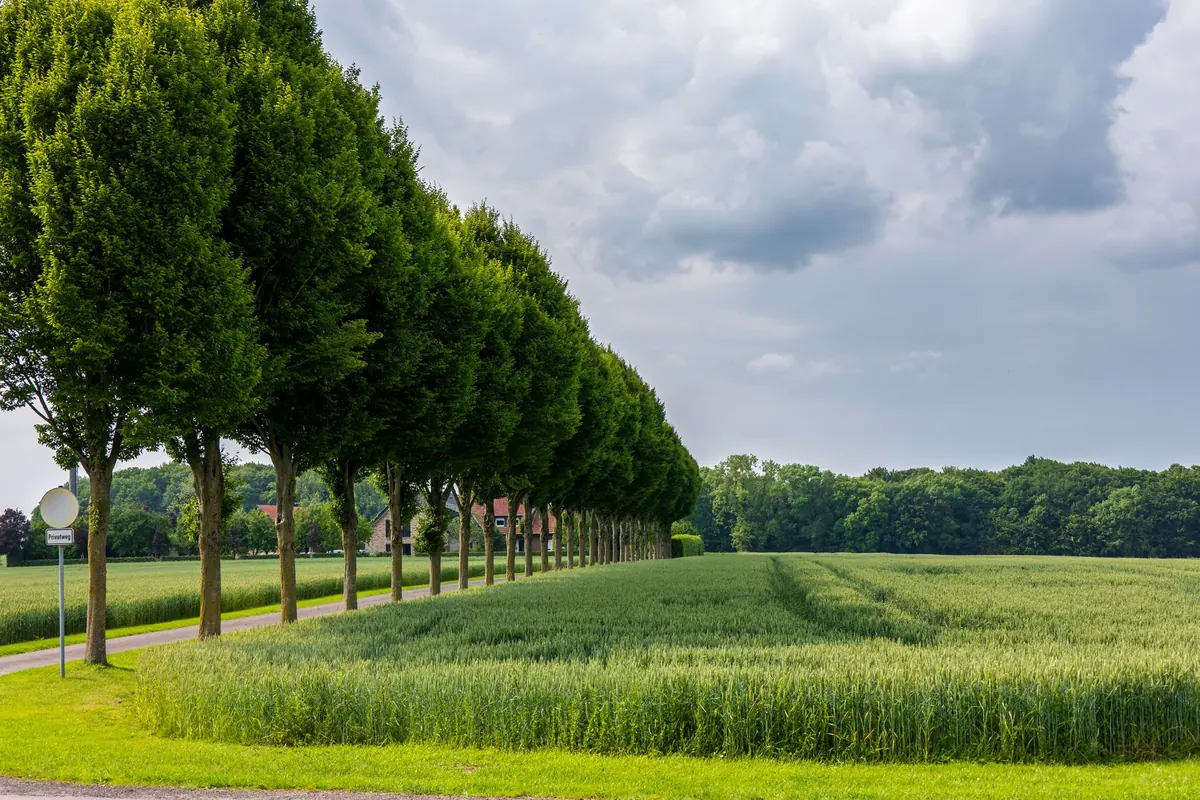
Walk a Devon lane in February and the signs are hard to miss: a fan of fresh spoil spilling out from under a hedge bank, claw marks in the loose soil, a line of shallow pits dug as latrines a few metres further on. Badgers do not choose a hedge because it looks handsome. They choose it because the ground beneath, the cover above and the food within a few hundred metres add up to somewhere worth digging into. Get those three things right and a sett can be occupied for generations. Get one wrong and the same hedge can sit empty for years.
Cover Above the Ground
Badgers are cautious animals, and a hedge is first and foremost a screen. They want darkness, quiet, and a hedge that meets the ground rather than floating above it. A boundary that has been flailed hard for years often develops a gap at the base — bare stems, a scatter of grass, and a clear line of sight straight through. That is poor badger cover, whatever it looks like from the road.
Compare that with an older, taller hedge full of bramble, ivy, honeysuckle and dead wood. The tangled base traps leaf litter, muffles sound and blocks light. Badgers will happily dig beneath a hawthorn or ash stump; what they avoid is loose, unsupported ground where the roof of a tunnel will drop in on them.
What a Promising Hedge Tends to Have
- A dense, tangled base — bramble, ivy, nettles, old stems
- An earth bank or raised boundary, ideally a metre or so high
- Mature woody roots to bind the soil above the tunnels
- A quiet position, well away from lit roads and busy footpaths
- Adjacent pasture or rough grass rather than bare, worked arable
Soil Type: Drainage Before Everything Else
If you could check only one thing, check the soil. Badgers are powerful diggers but they are not waterproof, and they tunnel where water drains away quickly. Light loams, sandy soils, gravels and chalky ground with a decent depth of drift over it are classic sett territory. Heavy, waterlogged clay is not: tunnels slump, and a chamber that fills with water is no use for cubs.
You can read a great deal from the spoil heap. Fresh diggings that crumble easily and contain small stones suggest a well-drained sandy loam — the sort of soil a badger can shift quickly. Pale grey or blue-grey clay, sticky when wet and hard as brick when dry, tells you the animals are working a difficult site, or that an old sett is beginning to fail.
Depth matters too. There needs to be enough soil for a tunnel and a sleeping chamber without hitting bedrock or the water table. On thin soils over chalk or limestone, badgers dig shallow, and on sloping ground they use the contour to gain a bit of extra depth for free.
Slope, Aspect and Shelter
A slope gives badgers several things at once. Rain runs off rather than soaking down through the tunnels, entrances can sit at different heights so that at least one stays dry in a wet spell, and there is less spoil to shift because gravity helps. Many main setts sit in the middle of a bank or embankment, with entrances strung out along it.
Aspect counts in the colder months. A south- or south-west-facing bank warms earlier in the day, which is useful when cubs first emerge in spring. Frost pockets at the bottom of a valley, and flat ground beside a stream that floods, are far less attractive. Look at where the hedge sits in the landscape as a whole: a bank above a ditch is ideal, a hedge planted in the bottom of a wet ditch is not.
Food Supply: The Real Draw
Earthworms are the staple of a badger's diet, and worms need damp, well-structured, undisturbed soil with plenty of organic matter. A hedge beside permanent pasture, old orchards, parkland or rough grazing will hold a good worm population. The same hedge beside heavily drained and heavily worked arable land will hold far fewer.
The hedge itself contributes more than people expect: beetles, grubs and slugs in the leaf litter, blackberries, elderberries and sloes in autumn, acorns, beechmast and spilled grain, and the occasional wasp nest dug out for the larvae. Good badger country usually combines both — a well-drained bank to live in and short, worm-rich grass within easy walking distance.
Badgers will travel several hundred metres on a mild, damp night, often further. So a hedge that looks isolated on a map may still be used, provided it sits within reach of reliable foraging.
Hedgerows as Routes, Not Just Addresses
A single hedge is rarely the whole story. Badgers follow linear features — hedgerows, woodland edges, field margins, stream banks — to move between setts and feeding grounds, and generations of animals wear the same routes. A connected network of hedges gives them cover, orientation and somewhere to retreat if they are disturbed.
Break that network and you push badgers onto open ground and roads. When you are weighing up why one hedge holds a sett and another does not, look at what each one connects to as well as what it contains.
Signs Worth Checking When You Are Out
- Fresh spoil. Light-coloured, crumbly earth fanned out from a hole, usually in a heap or a shallow spread.
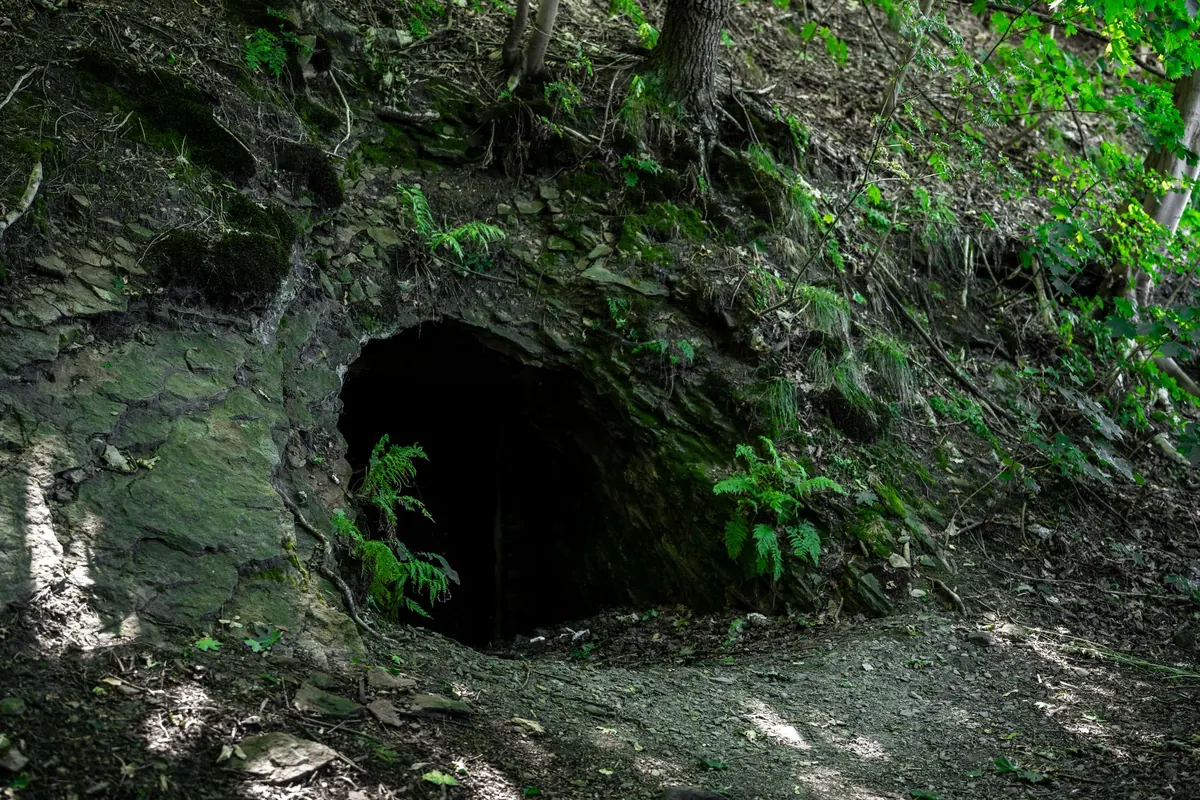
- Entrances. Oval openings, wider than they are tall, often with smooth, compacted edges from constant use.
- Latrines. Small scraped pits, typically on the edge of the sett or beside a path.
- Paths. Worn, snaking tracks through grass between the hedge and the field.
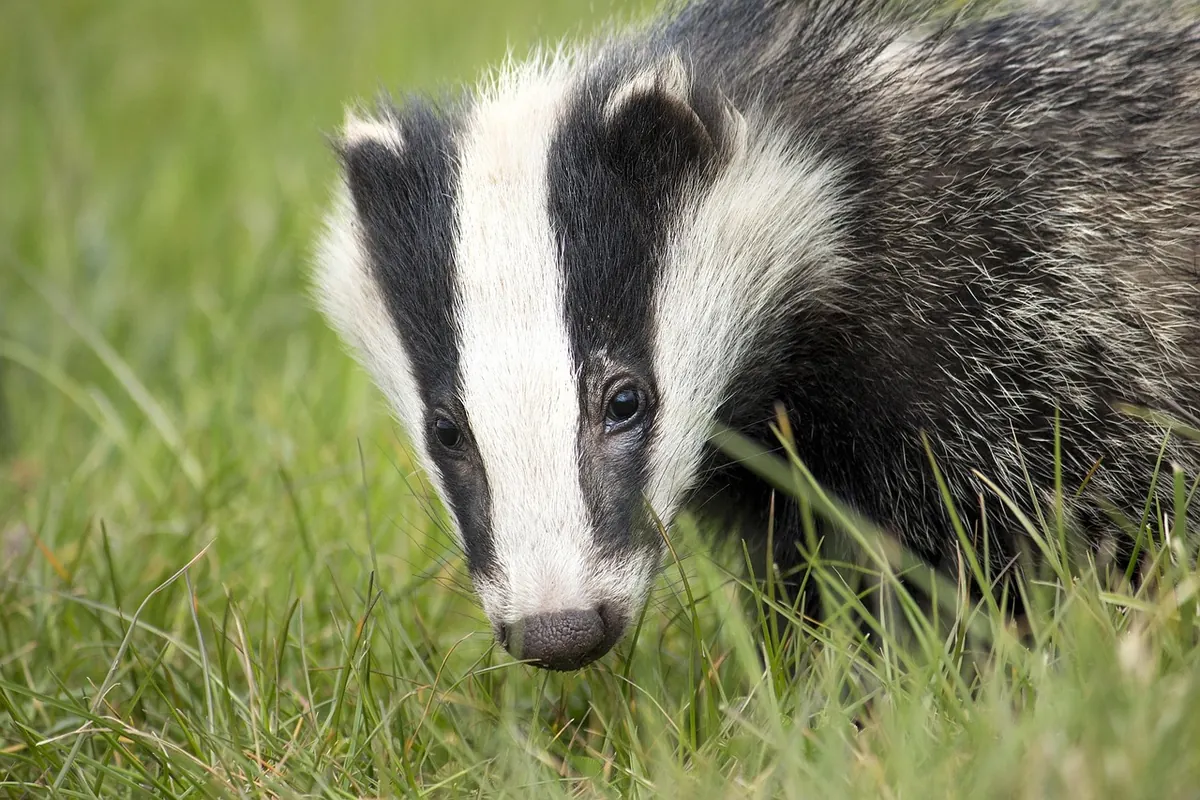
- Hairs and claw marks. Coarse grey-black hairs caught on wire or bramble where animals squeeze through.
Watch from a footpath, keep quiet, and keep dogs out of the hedge line. Badgers and their setts are protected in the UK under the Protection of Badgers Act 1992, so observing is fine but digging, blocking or otherwise interfering with a sett is not. If you suspect a sett is being disturbed, report it to the statutory conservation body for your part of the UK.
Reading Your Own Local Hedges
Pick three or four hedges near you and walk them in winter, when the vegetation is low and the ground is soft. Note where the bank is highest, whether the base is dense or open, what the soil looks like in any rabbit or mole diggings nearby, and whether the adjacent field is pasture or arable.
Then look at the bigger picture: does the hedge run into woodland, a stream or another hedge, or does it stop dead at a road? Keep a few notes and compare sites over a season. Badgers colonise slowly and abandon quickly, so an empty hedge today may not be empty in five years.
And if you do find an active sett, the most useful thing you can do is leave it be. Walk on, keep the location to yourself, and let the hedge get on with the job it has been doing for centuries.
Photo: Sergej ***** / Pexels